1.Wet Diamond Hand Pads
Diamond hand pads are made by suspending diamonds or diamond powder in resin (sometimes resin and copper). Rinsing these pads with water can keep the resin cool and prevent the pads from overheating and burning out too quickly. Water also helps to remove waste materials that are “cut” in the form of slurry during the polishing process.
The lower the particle size number, the rougher the Pads.
If you want to achieve a mirror finish, wet polishing always produces the best results. Polishing pads are cheaper than dry polishing, but machines that use wet polishing are usually more expensive. If you want to keep them dry, you need to wear rain boots and a full-length rubber apron
Wet diamond polishing pads can polish almost any material, from porcelain, marble, terrazzo, quartz, limestone, limestone to the hardest granite
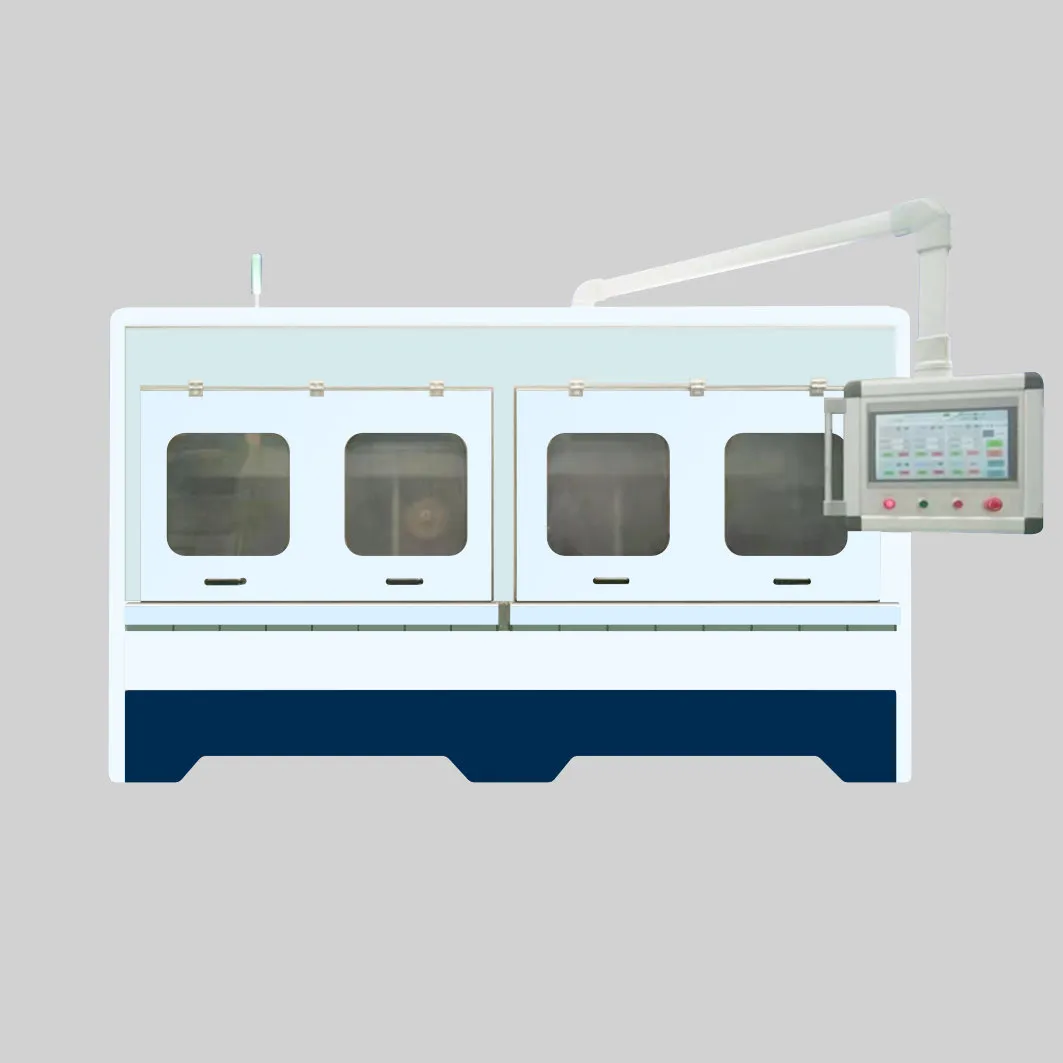
Every ceramic tile, stone, and quartz factory in the world has a wire polishing machine that uses water-cooled diamond pads to precision process the surface of the products.
2.Dry diamond hand pads
Diamond powder is suspended in resin, and the difference from wet pads is that the resin is denser (harder) and can withstand higher temperatures. Their working principle is the same as wet pads, exposing the polished surface of diamond by wearing down the resin. The lower the particle size number, the rougher the pad.
The obvious advantage is that you don’t have to dress up like a fishmonger to use a dry polishing pad. In addition, they can also be used in areas where wet polishing pads are not suitable, such as in completed or smaller tasks where a complete wet setup would take too long. But they can generate dust, so if you do a lot of polishing, you need to consider dust removal and use masks to filter the air you breathe. For artificial products such as artificial stones or quartz, filtration is particularly important because some people believe that the dust generated when polishing these products may be a carcinogen.
The current technology makes the surface treatment performance of dry gaskets very similar to that of wet gaskets, and there is not much room for choice between them.
Dry pads are more expensive than wet pads, and the resin is more difficult to withstand higher temperatures, so dry pads are often more suitable for harder materials such as granite and particularly dense concrete.
You can use a dry pad to polish “softer” sedimentary or metamorphic rocks such as limestone, limestone, and marble, but they usually need to be “trimmed” before the first use, which means placing them on very dense things such as black granite to first expose some diamonds.










 English
  Chinese
  German
  French
  Russian